Story
03 April 2024
Tipping the Scales for Gender Equality: The Inspiring Journey of Sophorn Someng Fish Processing Enterprise
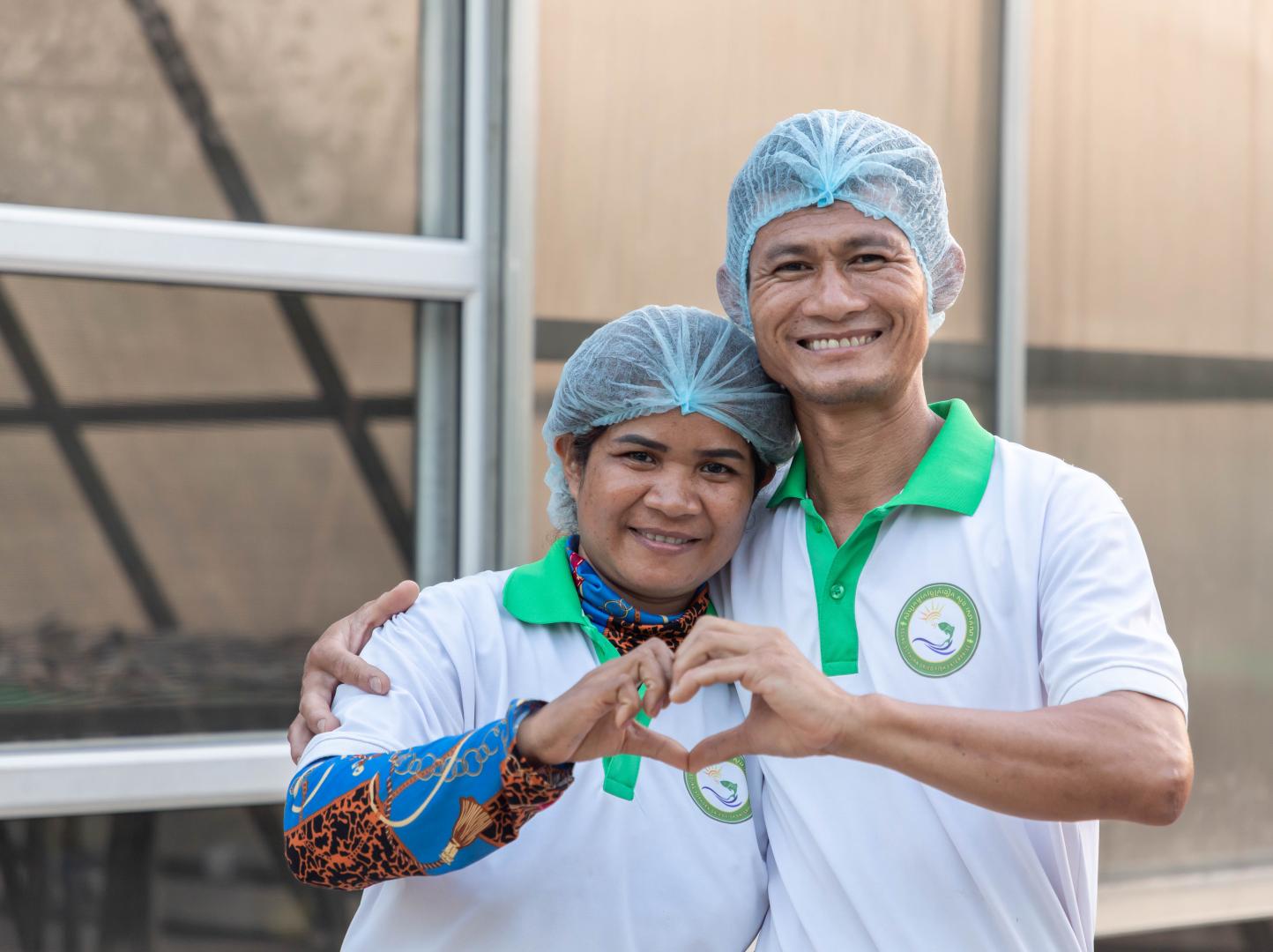
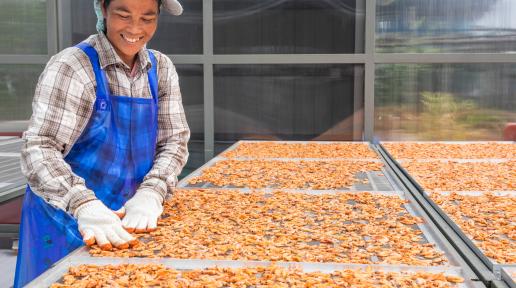
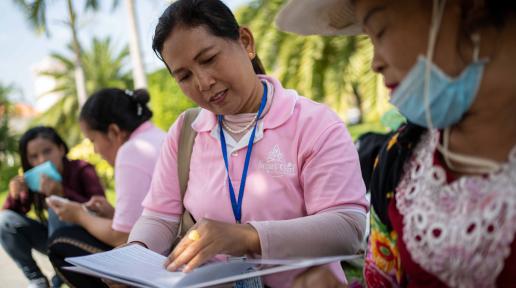
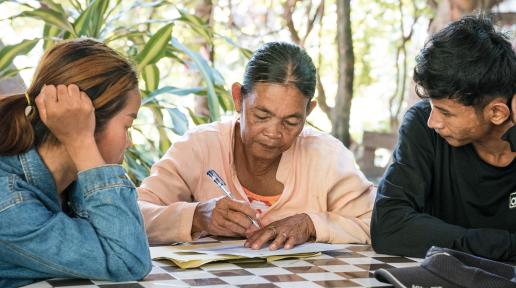
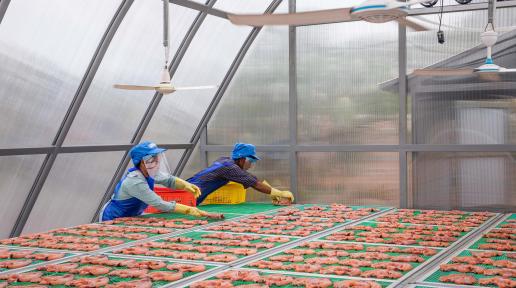
Women make up most of the workforce in the processing and trading of fisheries products, but their vital roles often go unrecognized, and gender inequalities stop them from fulfilling their potential—and hence the potential of the whole sector. Given how important post-harvest fisheries are in Cambodia's development, such inequalities are a drag on the country's prospects. The United Nations Industrial Development Organization (UNIDO), in collaboration with Cambodia's Fisheries Administration (FiA), is helping balance the scales with its CAPFISH-Capture: Post-harvest Fisheries Development project, which empowers women all along the value chain. One of the participating businesses is the family-owned Sophorn Someng Fish Processing Enterprise in Kampong Thom, Cambodia. Established in 2011 as Soung Sophorn Dried Fish Enterprise, reflecting the husband's name, the business transformed with support from the CAPFISH-Capture project, co-funded by the European Union (EU). Thanks partly to food safety training and financial assistance for facility upgrades, the enterprise obtained the coveted food safety certification (CQS Basic). The enterprise attracted potential partners, including a supermarket chain seeking product registration and barcoding. Then, in 2023, after gender equality and leadership sessions by the project, some big changes took place. For one, the business was renamed Sophorn Someng Fish Processing Enterprise after the couple's names to highlight the shared ownership of Ms. Someng and Mr. Sophorn.On a deeper level, Ms. Someng recognized the importance of continuous learning and skills development. From her mother, she had inherited a knowledge of the traditional methods of fish processing and a passion for the trade. However, as a woman in society, she did not have the same opportunities as her male peers. Like other women, she had family care responsibilities that left less time for business. With the gender equality sessions, that began to change. Ms. Someng now assumes her responsibilities, for example, the financial management of the business, with more self-esteem and knowledge. “We have divided clear roles and responsibilities between my husband and me; I am responsible for the financial and operational management while my husband is in charge of external roles such as marketing and promotion and market linkages,” says Ms. Someng. Ms. Sokmeng shared her newfound knowledge with her staff, fostering awareness about domestic violence, promoting women's rights and co-responsibility for household chores among workers.She adds, "Encouraging equitable distribution of business and household responsibilities within a family can foster women's empowerment by enabling them to acquire and hone their skills and abilities."The impact of this investment extended far beyond the enterprise itself. The company's initial products were distributed to local markets, but soon, the production grew from a modest 500kg to an impressive 2,500kg per month, and the quality of Sophorn Someng dried fish products elevated, fostering newfound trust among clients, generating better revenue and delivering safer products to low-income markets. The enterprise has also created new jobs and increased income for value-chain suppliers and staff. This has helped their suppliers and workers be better able to send their children to school, contributing to a healthier and more equitable supply chain. In a fast-changing business landscape, Sophorn Someng Fish Processing Enterprise serves as an inspiration, challenging gender stereotypes and paving the way for a more inclusive and prosperous future in the fish processing industry. It is a lesson that other industries will learn from.